
Choosing where to board your dog is one of the most important decisions a pet owner makes. A high-quality facility keeps animals safe, healthy, mentally stimulated, and comfortable while you’re away. Knowing what to look for saves stress and helps you find a place you can trust.
Below are practical, objective signs that separate competent dog boarding facilities from the rest, plus a short checklist and answers to common questions. If you want to review the types of stays many kennels offer as you read, you can explore our boarding packages.
Cleanliness and sanitary protocols
Visible cleanliness is non-negotiable. Floors, kennels, bedding, food and water bowls, and outdoor areas should be free of odor, hair build-up, and waste. Facilities should use pet-safe disinfectants and have a clear cleaning schedule posted or available on request.
Ask whether bedding is washed between stays, how often runs are cleaned, and what the protocol is for a dog that soils its sleeping area. A facility that can describe daily cleaning rounds and show records demonstrates consistent standards rather than ad hoc housekeeping.
Staff training and qualifications
Qualified, stable staff are a top indicator of quality. Look for teams with formal training in animal behavior, animal handling, canine first aid, and cage-free supervision. Staff should be able to explain how they assess temperament, manage stress behaviors, and intervene safely during play.
If the facility offers trial or shorter stays for first-time boarders, that’s a sign they prioritize careful introductions. For example, a structured 7-day trial can reveal how staff evaluate compatibility and settle a dog into routines.
Safety and security measures
Check perimeter fencing, gate locks, surveillance, and separation protocols. High-quality facilities have secure fencing for play yards, double-gated entry systems to prevent escapes, and locked storage for cleaning chemicals and medications.
They should also have clear procedures for lost-dog response, fire safety (sprinklers and extinguishers), and severe-weather plans. If a facility offers multi-day stays with staggered drop-off and pick-up options, like a planned 10-day stay, they’ll often provide detailed arrival and emergency routing information to owners—another sign of preparedness.
Exercise, enrichment, and socialization
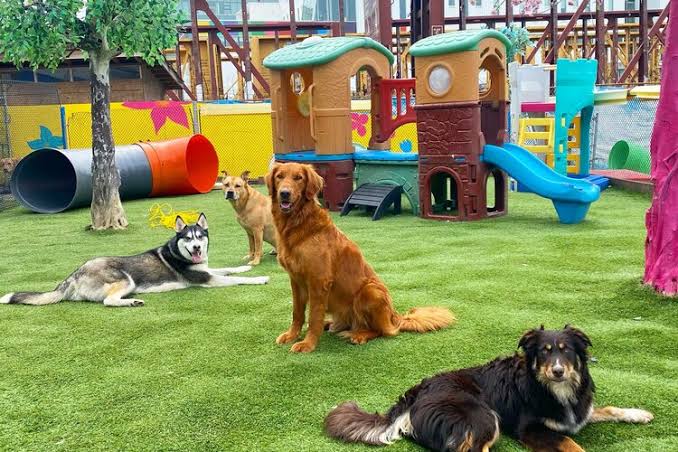
Dogs need regular physical exercise and mental enrichment while boarded. Quality facilities provide scheduled playtimes, supervised group play for compatible dogs, one-on-one walks, and enrichment items such as puzzle feeders and structured training sessions.
Ask how often each dog is walked, how play groups are formed and supervised, and what enrichment activities are rotated. Facilities that can describe a progressive plan for longer stays—such as a layered 15-day program with daily routines and enrichment rotations—are intentionally designing better experiences.
Medical care and emergency protocols
Top facilities require up-to-date vaccinations and proof of parasite prevention. Beyond preventive care, ask whether staff are trained to administer oral medications, recognize signs of illness, and contact a veterinarian. Look for an established relationship with a local veterinary clinic and written emergency protocols.
A boarding provider that outlines how they log medications, monitor intake, and escalate concerns to a vet—especially for longer or medically complex stays like a structured 20-day care package—is demonstrating safe, accountable care.
Communication and updates for owners
Reliable facilities communicate proactively. Expect confirmation messages for bookings, arrival instructions, and regular updates while your dog is boarding: photos, brief notes on appetite and behavior, and notification of any incidents. Facilities that offer scheduled check-ins reduce owner anxiety and show operational transparency.
Some kennels include trial options or short stays that let you evaluate communication before a longer trip. A simple option like a 7-day trial gives you a firsthand sense of how often and how clearly staff will update you while you’re away.
Pricing, policies, and transparency
Clear, written policies are a hallmark of professionalism. A good facility provides an itemized rate sheet, vaccination and health requirements, cancellation and refund rules, and what services are included versus extra. Beware of vague pricing or surprise fees.
Compare what’s included in a daily rate—food, walks, enrichment, and basic grooming—and what costs extra. If a facility offers tiered packages (for example weekly or multi-week options similar to a 10-day stay), they should clearly outline differences so you can make an informed choice.
Visiting, trial stays, and orientation
A reputable kennel encourages visits before booking. Touring the facility during operating hours gives you a realistic sense of noise, interactions, and staff routines. Ask to see different types of housing and the outdoor play spaces.
Many facilities recommend a short trial stay or day visit to ensure the environment suits your dog. Trial options, orientation meetings, and drop-off walkthroughs indicate a focus on successful transitions rather than quick turnover.
Quick checklist before you book
- Can you tour during active playtimes?
- Are vaccination and flea/tick records required and verified?
- Is staff trained in first aid and handling emergency situations?
- Are cleaning logs and feeding/medication records available?
- What is included in the daily rate and what costs extra?
- Do they offer trial or shorter stays to evaluate fit?
Conclusion — practical takeaway
Trust your observations and the answers you receive. Clean, well-run facilities combine trained staff, clear protocols, structured enrichment, and transparent communication. If you want to trial a structured longer stay for peace of mind before a big trip, consider options like our multi-week care choices such as the 20-day care package.
FAQ
- How far in advance should I book? Book as early as possible for peak seasons; many facilities recommend reserving weeks to months ahead.
- What vaccinations are usually required? Rabies, distemper/parvo (DHPP), and bordetella are commonly required; proof of recent flea/tick prevention is often requested.
- Can my dog keep its regular food? Most kennels allow owner-provided food—label it clearly and bring measured portions to avoid dietary issues.
- Will my dog be walked and played with daily? A quality facility provides daily exercise and enrichment; confirm frequency and group vs. individual play ahead of time.
- What if my dog needs medication? Ask how medications are logged and administered; reputable facilities keep written records and escalate issues to a vet if needed.
- Is a trial stay helpful? Yes—short stays help assess temperament, staff responsiveness, and how your dog settles into routines.
Products Featured in This Article

