
When you drop your dog off at a professional boarding facility, you want to know what their day will look like. A well-run facility follows a consistent routine so dogs feel safe, exercised, and cared for while you’re away. If you’re deciding on a length of stay or comparing service options, it helps to understand the typical daily rhythm your dog will experience; for short breaks consider Superstar Pet Express Dog Boarding 7 Days.
Boarding stays can vary by facility and the dog’s individual needs, but most reputable places offer structured care that balances activity, rest, feeding, and supervision. For longer trips, you’ll want to review extended-stay options like Superstar Pet Express Dog Boarding 20 Days so you know how routines are maintained over time.
Arrival and Check-in
Check-in typically begins with a warm greeting and a quick review of paperwork: vaccination records, feeding instructions, medication schedules, emergency contact details, and any behavioral notes. Staff will assess your dog’s temperament during a short meet-and-greet to confirm the reservation and place the dog into an appropriate group or room. If you’ve booked a mid-length stay, facilities often have specific onboarding steps for multi-day guests—see details when you choose options like Superstar Pet Express Dog Boarding 15 Days.
Morning Routine
Most boarding facilities start the day early. Morning routines usually include a bathroom break, a short walk or outdoor play session, and a chance to acclimate to the staff on duty. Staff will follow any special instructions you left about leash handling, bathroom timing, or breakfast. If your dog is staying for a series of shorter rotations or sessions, such as a ten-day boarding pattern, facilities will typically maintain consistent morning care across stays similar to Superstar Pet Express Dog Boarding 10 Days.
Feeding and Medication
Feeding is scheduled according to the instructions you provide. Most dogs receive separate bowls and measured portions to maintain their regular diet and avoid upset stomachs. Facilities will document every feeding and any medication administration in a log you can review at pickup. If your dog has special dietary needs or uses supplements, staff will follow your written plan closely—many boarding places keep such instructions and related policies under a general category for quick staff access; you can reference those when arranging care under your chosen booking level like Uncategorized policy notes.
Exercise and Playtime
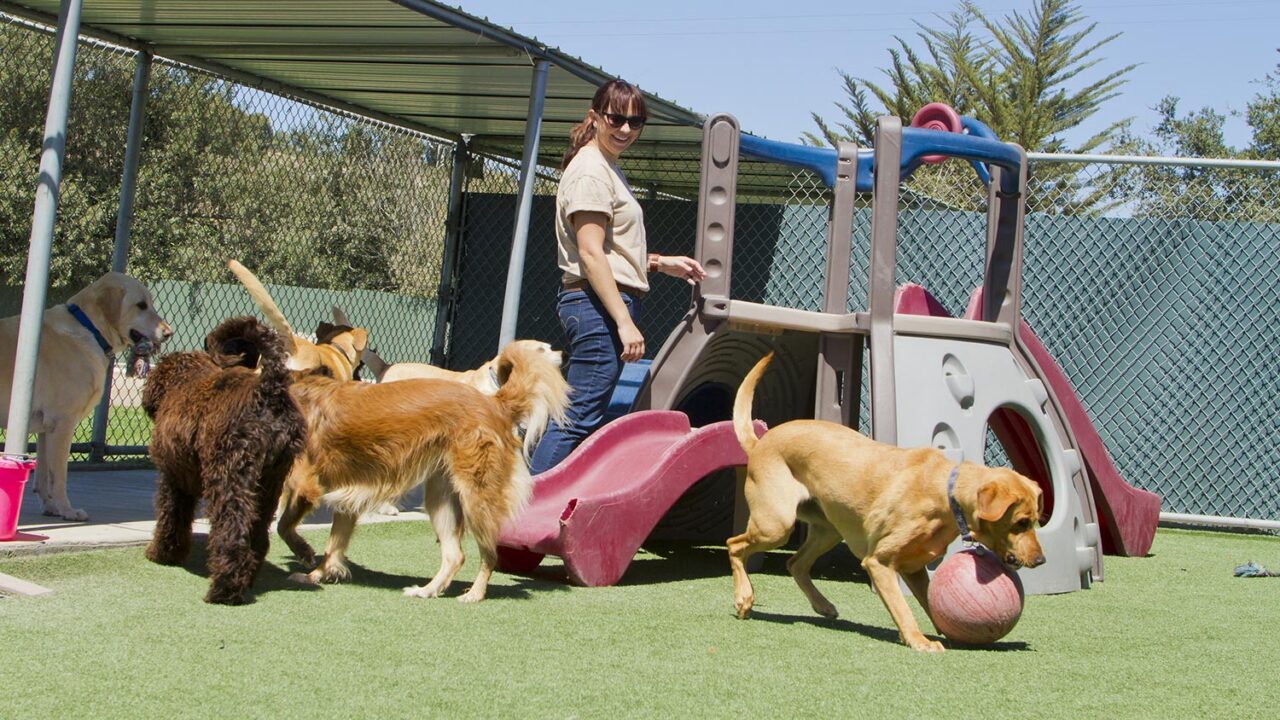
Exercise is a cornerstone of a good day at a boarding facility. Dogs typically get several activity blocks: one in the morning, one mid-day, and one in the afternoon or early evening. Activities vary by facility but commonly include group play sessions with dogs matched by temperament, one-on-one walks, supervised yard time, and enrichment games like puzzle toys. If you plan multiple weeks or staggered stays, facilities that offer consistent scheduling—such as recurring reservations like Superstar Pet Express Dog Boarding 7 Days packages—will maintain the same activity rhythm to reduce stress and improve predictability for your dog.
Nap Time and Rest
After activity and meals, dogs need quiet time to relax and recover. Boarding facilities provide individual resting spaces—kennels, rooms, or quiet areas—depending on the dog’s preferences and the facility’s layout. Staff aim to minimize noise during these periods and will separate high-energy dogs from those that need calm. For dogs on medium-length stays, the facility keeps a consistent rest schedule and monitoring routine similar to arrangements used for stays like Superstar Pet Express Dog Boarding 10 Days, which helps maintain a steady sleep cycle and reduces stress-related behaviors.
Cleaning and Health Checks
Maintaining cleanliness and monitoring health are ongoing tasks. Staff perform routine spot-cleaning of kennels and common areas throughout the day, sanitize feeding and play equipment, and launder bedding regularly. Dogs are observed for signs of illness or injury at each care point; any concerns are logged and communicated according to your emergency preferences. Facilities that handle week-to-week or extended bookings—like Superstar Pet Express Dog Boarding 15 Days—often have enhanced daily-check protocols to ensure the dog’s condition is tracked across many days.
Staff Communication and Updates
Clear communication between staff and owners is essential. Many boarding facilities provide daily updates via text, email, or a quick photo to reassure owners and report on eating, bathroom, and activity. If your dog requires behavior notes or special attention, staff will record those interactions so incoming and outgoing shifts are informed. Regular communication protocols help owners feel confident and let staff tailor care based on real-time observations.
Pick-up and Transition Home
Pick-up includes a brief check-out where staff review the dog’s day, hand over any leftover food or medications, and let you know about any notable behaviors or incidents. A calm handoff and a quick debrief help smooth the transition back home. If you’re collecting a dog after a short package or planning a staggered pickup, staff will confirm the final day’s schedule and provide any care notes to help your dog settle back into the home routine.
Quick Checklist: What to Bring and Expect
- Current vaccination records and emergency contact information.
- Detailed feeding and medication instructions (including dosages and times).
- Leash, collar with ID, and any favorite comfort items (clearly labeled).
- Written behavior notes or special handling instructions.
- Understand facility drop-off and pick-up times and cancellation policy.
FAQ
- Q: How often will my dog be exercised? A: Typically multiple times per day—morning, mid-day, and afternoon/evening—with additional play breaks as needed.
- Q: Can you administer medication? A: Yes; reputable facilities will follow written instructions and log each administration.
- Q: What if my dog is nervous around other dogs? A: Staff assess temperament at check-in and place dogs in appropriate groups or provide solo activities when necessary.
- Q: How do you handle food sensitivities? A: Bring your dog’s food in labeled containers and provide written instructions; staff will follow your feeding plan exactly.
- Q: Can I book different lengths of stay? A: Yes; options typically include short and extended packages—plan ahead to secure the dates you need.
Conclusion: A typical day at a reputable dog boarding facility balances structure and flexibility—scheduled feedings and exercise, regular rest, ongoing supervision, and clear owner communication. Preparing in advance with paperwork, clear instructions, and familiar items makes the stay smoother for your dog and the staff. If you’re comparing stays, review specific packages and schedules to match your dog’s needs—shorter bookings work well for quick trips, and longer packages ensure routine continuity for extended absences.
Products Featured in This Article

